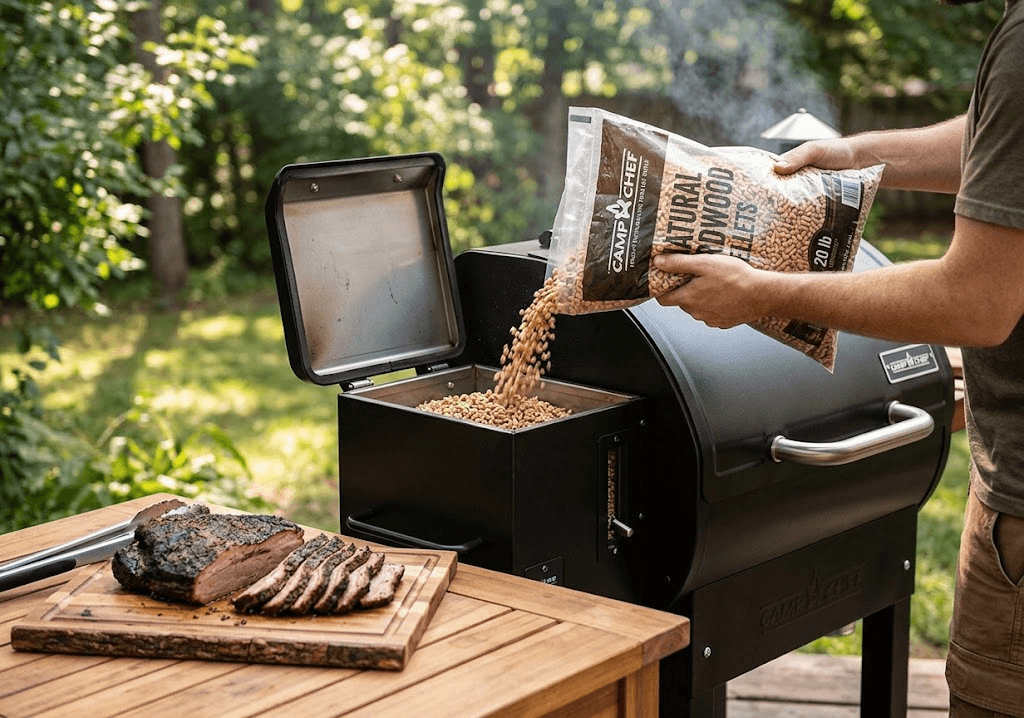
Picking the best pellets for Camp Chef grills comes down to three things: a clean burn, steady heat, and a smoke flavor that fits what you are cooking. Your pellet grill is only as good as the fuel in the hopper. Damp or filler-heavy pellets cause temperature swings, extra ash, and weak smoke. Good pellets feed smoothly and taste clean.
This guide covers seven Camp Chef flavors and two third-party brands. For each one, you will see who it suits, the real pros and cons, and the foods it handles best. If you are still shopping for a cooker, start with our guide to the best pellet grills for beginners.
Quick Answer: For most Camp Chef owners, the best pick is Camp Chef Competition Blend (maple, hickory, cherry). Bear Mountain is a good value alternative, and Lumberjack is an upgrade option. Camp Chef’s manual says to use only food-grade hardwood pellets, so skip heating pellets and softwood blends.
Best Pellets for Camp Chef at a Glance
| Pellet | Key Spec | Best For | Price Range (20 lb bag) |
| Camp Chef Competition Blend | Maple, hickory, cherry blend | All-around cooking | About 13-20 |
| Camp Chef Hickory | 100% hardwood, bold smoke | Pork, beef, ribs | About 13-20 |
| Camp Chef Orchard Apple | Light, fruity smoke | Pork, chicken, fish, veggies | About 13-20 |
| Camp Chef Cherry | Mild, sweet smoke | Chicken, pork, color | About 13-20 |
| Camp Chef Oak | Medium, steady smoke | Beef, seafood, baking | About $17 seen retail |
| Camp Chef Charwood (Charcoal Hickory) | Charcoal and hickory blend | Beef, burgers, steaks | |
| Camp Chef Southwest Mesquite | Strong, earthy smoke | Steak, short cooks | |
| Bear Mountain Gourmet Blend | Third-party blend | Value, everyday use | |
| Lumberjack Blend | Third-party, 100% hardwood | Upgrade, flavor variety |
Camp Chef sells its premium hardwood pellets in 20 lb (9 kg) bags and says it offers eight flavors. This guide covers the seven I could confirm.
1. Camp Chef Competition Blend: Top Pick
Who it’s for: Anyone who wants one bag that works on everything. If you cook brisket on Saturday and chicken on Sunday, this is the pellet to keep in the bin.
Key features: Camp Chef lists this as a blend of maple, hickory, and cherry. The maple and cherry soften the hickory, so the smoke is balanced rather than harsh. Camp Chef says its pellets are 100% hardwood with no added fillers or flavors, and they are kiln-dried for low moisture.
Pros:
- Works well on pork, beef, poultry, and vegetables
- Cherry helps give meat a deeper mahogany color
- Balanced smoke that suits guests who dislike heavy smoke
Cons:
- Not as bold as straight hickory or mesquite
- Barbecue purists may want a single-wood pellet for a stronger flavor
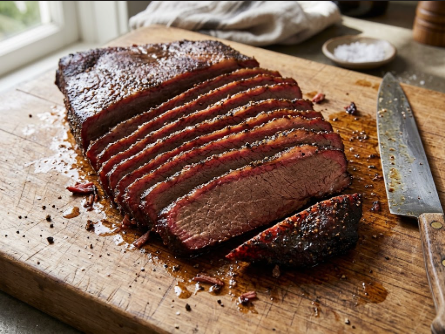
This is the pellet I would buy first for a new Camp Chef owner. It removes guesswork while you learn how your cooker holds temperature. It also works well for holiday cooking, such as the birds and sides in our Thanksgiving smoker recipes.
2. Camp Chef Hickory: Best for Pork and Ribs
Who it’s for: People who love classic, bacon-like barbecue smoke.
Key features: Camp Chef recommends its hickory flavor for chicken, beef, and pork cookouts. Hickory gives a strong, savory smoke that stands up to fatty cuts and long cooks.
Pros:
- Excellent on pork shoulder, ribs, and brisket
- Strong flavor that carries through seasoning and sauce
- Easy to find in stores
Cons:
- Can taste bitter on delicate foods like fish
- Easy to overdo on poultry cooked for a long time
Hickory shines on ribs. Run the cooker at 225-250°F (107-121°C) and let the smoke work for the first few hours. Our guide on how to cook ribs on a pellet grill walks through the timing.
3. Camp Chef Orchard Apple: Best for Chicken and Bacon
Who it’s for: Cooks who want a light, slightly sweet smoke that will not overpower the food.
Key features: Camp Chef markets its apple flavor for chicken, pork, fish, baked goods, and vegetables. Fruit woods burn mild, so they suit shorter cooks.
Pros:
- Gentle enough for fish, chicken, and vegetables
- Pairs well with cured pork
- Good for smoking cheese and baked goods
Cons:
- Thin smoke on big cuts like brisket
- Can taste too light if you want a strong smoke ring and bark
Apple is a natural match for cured pork. It gives smoked bacon a sweet, rounded finish without turning bitter. See our bacon on a pellet grill article for temperatures and timing.
4. Camp Chef Cherry: Best for Color and Poultry
Who it’s for: Anyone cooking chicken, turkey, or pork who wants golden-red color and mild sweetness.
Key features: Camp Chef sells a cherry BBQ flavor for chicken, pork, fish, baked goods, and fresh vegetables. Cherry smoke tints skin and bark a rich red-brown.
Pros:
- Beautiful color on poultry skin and pork
- Mild smoke that works on almost anything
- Blends well with hickory for a custom mix
Cons:
- Too subtle for a heavy-smoke brisket on its own
- Can leave a faint sweetness that some cooks do not want in savory dishes
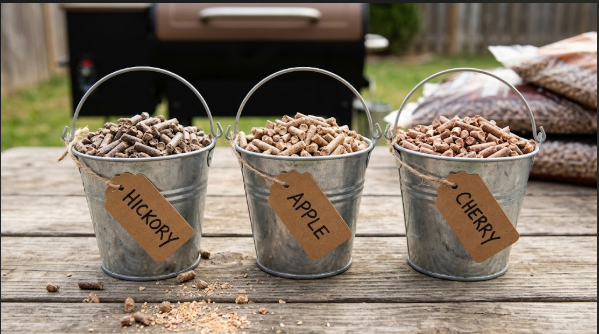
Pitmaster Tip: Mix half Cherry and half Hickory in a bucket before filling the hopper. You get the color of cherry and the backbone of hickory, and it costs no more than buying a blend. Stir it well, and do not let the pellets sit in a damp spot.
Cherry is a smart choice for turkey. The skin takes on color without the long, harsh smoke that can make white meat taste bitter. Try it with our turkey breast at 250°F method.
5. Camp Chef Oak: Best for Beef, Seafood, and Baking
Who it’s for: Cooks who want steady, medium smoke that never gets pushy.
Key features: Camp Chef says its oak pellets pair well with beef, seafood, and baking . Oak sits between mild fruit woods and strong hickory.
Pros:
- Dependable all-rounder for beef, sausages, and lamb
- Gentle enough for fish and baked dishes
- Clean, even smoke over long cooks
Cons:
- Less distinctive than hickory or mesquite
- Priced a little higher than some other Camp Chef flavors at some retailers
Oak is also a good pick for desserts because it adds a subtle woodsy note without overpowering sugar and butter. It works nicely with our smoked pecan pie if you want a gentle smoke on the crust.
6. Camp Chef Charwood (Charcoal Hickory): Best for Steak and Burgers
Who it’s for: People who miss charcoal flavor and want it from a pellet grill.
Key features: Camp Chef describes this blend as charcoal and hickory hardwood, and says it pairs well with beef, poultry, pork, seafood, and vegetables. It is also kiln-dried for lower moisture and faster lighting.
Pros:
- Gives a grilled, charcoal-style edge to steaks and burgers
- Strong flavor for short, hot cooks
- Good for searing at high heat
Cons:
- Less nuance than a pure hardwood on a long smoke
- Specific ingredient details are listed by retailers, so
If you like the taste that comes from burning real charcoal, you may also enjoy cooking with lump charcoal in an offset smoker. Charwood is the closest you will get to that flavor in a pellet hopper.
7. Camp Chef Southwest Mesquite: Best for Bold Steaks
Who it’s for: Texas-style steak lovers and anyone who likes a strong, earthy smoke.
Key features: Mesquite is a hot-burning, intense wood. Camp Chef lists a Southwest Mesquite flavor in its premium hardwood line.
Pros:
- Strong flavor that shines on steak, lamb, and venison
- Great for short cooks under about an hour
- Pairs well with chili rubs
Cons:
- Overpowers delicate foods quickly
- Can turn bitter on long cooks such as pork shoulder
Common Mistake: Using mesquite for a 12-hour brisket. Mesquite smoke builds fast, and long exposure can leave a harsh, ashy taste. Save it for steaks, burgers, and quick cooks, or blend it with oak at about one part mesquite to three parts oak.
8. Bear Mountain Gourmet Blend: Best Value Alternative
Who it’s for: Cooks who want a lower-cost pellet for everyday cooking and are willing to try a third-party brand.
Key features: Bear Mountain sells several wood blends in pellet-grill-ready bags. Confirm the exact blend, bag size, and wood content on the bag before you buy.
Pros:
- Often easy to find online and at big-box stores
- Wide range of flavors and blends
- Useful for stocking up on a budget
Cons:
- Camp Chef’s manual says to use only Camp Chef Premium Pellets that meet its specifications, so check your model’s manual and warranty terms
- Quality and moisture can vary by batch, so store bags carefully
9. Lumberjack Blend: Best Upgrade Pick
Who it’s for: Cooks who want more wood variety and are happy to pay a bit more.
Key features: Lumberjack markets 100% hardwood pellets in a range of single-wood and blended options.
Pros:
- Many single-wood choices for fine-tuning smoke
- Good for competition-style experimenting
- Strong following among pellet grill owners
Cons:
- Usually costs more than Camp Chef’s own bags
- May not be stocked at big-box retailers near you
Before using any third-party pellet in your cooker, read your owner’s manual. Camp Chef’s warranty language ties its guidance to the pellets it specifies, so a different brand is your call and your risk.
How to Choose the Best Pellets for Camp Chef Grills
Use this checklist before you buy a bag:
- Check the manual first. Camp Chef’s manuals say to use only food-grade hardwood pellets made for pellet grills. They warn that softwood or heating pellets can void your warranty.
- Read the label for additives. Skip any fuel with oils, binders, or fillers. Camp Chef describes its own pellets as 100% hardwood with no added fillers or flavors.
- Look for kiln-dried pellets. Low moisture means faster lighting, steadier heat, and less ash.
- Pick flavor by food. Mild fruit woods for chicken, fish, and vegetables. Hickory and oak for pork and beef. Mesquite only for short, hot cooks.
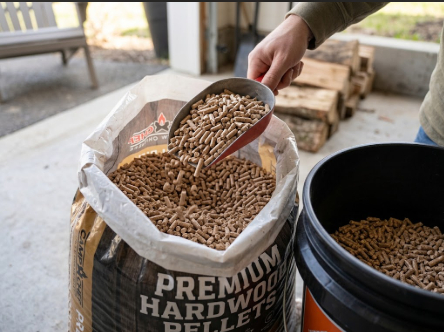
- Buy the right bag size. A 20 lb (9 kg) bag is easy to store and keeps fresh longer than a giant sack that sits half-open.
- Check the bag. Crushed, dusty, or sticky pellets are a bad sign. A resealable bag helps keep moisture out.
- Know your hopper. Camp Chef lists hopper capacity by model. One manual says a model holds about 18 lb (8 kg), and a portable model holds about 10 lb (4.5 kg). The manual also says never to let the hopper run empty.
Best Pellets for Camp Chef by Food
| Food | Suggested Pellet | Pitmaster Pull Temp | USDA Minimum |
| Brisket | Competition Blend or Oak | 200-205°F (93-96°C) | 145°F (63°C) + 3 min rest |
| Pork shoulder (pulled) | Hickory or Competition Blend | 195-205°F (90-96°C) | 145°F (63°C) + 3 min rest |
| Ribs | Hickory or Apple | Bend test, about 195-203°F (90-95°C) | 145°F (63°C) + 3 min rest |
| Chicken | Cherry or Apple | 175°F (79°C) in thigh | 165°F (74°C) |
| Turkey | Cherry or Competition Blend | 165°F (74°C) in breast | 165°F (74°C) |
| Steak | Charwood or Mesquite | Your doneness | 145°F (63°C) + 3 min rest |
| Salmon | Apple or Cherry | About 145°F (63°C) | 145°F (63°C) |
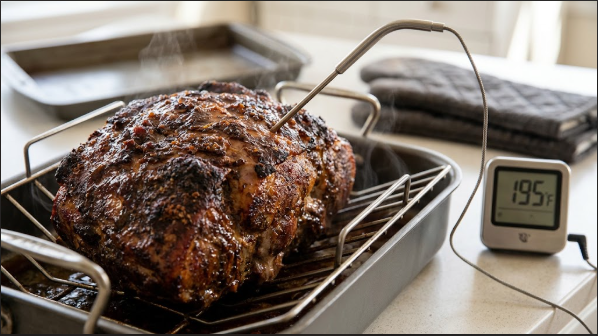
Poultry must reach 165°F, the USDA’s safe minimum internal temperature . Whole cuts of beef, pork, and fish should reach 145°F (63°C), then rest for three minutes. Pitmaster pull temps for brisket and pulled pork are higher because you are cooking for tenderness, not just safety.
How We Picked the Best Pellets for Camp Chef
I judged each pellet on criteria that matter at the grill, not on marketing claims.
- Manufacturer fit. Does the maker’s own guidance support using it in Camp Chef cookers?
- Wood content. Is it 100% hardwood, with no oils, fillers, or binders listed?
- Moisture and burn. Kiln-dried pellets light faster and burn cleaner.
- Flavor range. Does the pellet cover several foods, or just one?
- Availability and price. Can a normal home cook find it without driving across the state?
- Cleanliness. Less ash means less cleanup, and fewer clogs in the burn pot.
I did not invent test results. Specs and prices in this guide come from manufacturer descriptions and retailer listings. Anything I could not confirm is marked so you can check it before publishing.
How to Switch and Blend Pellets in Your Camp Chef
Changing flavors is simple, but a few habits keep your smoke clean. Camp Chef models feed pellets from the hopper through an auger into the burn pot, so old pellets are still in the system when you pour in a new flavor.
- Burn down the hopper. On cooks where you plan to change flavors, let the hopper run low before you refill. Never let it run fully empty, since the manual warns against that.
- Add the new pellets. Pour slowly so you do not push dust into the hopper.
- Run a short burn-in. Let the cooker run at 225°F (107°C) for 10-15 minutes before food goes on. This clears the old pellets from the feed path.
- Watch the smoke. Thin blue smoke is what you want. Thick white smoke usually means damp pellets or a dirty burn pot.
Simple Blends to Try
You do not need a store-bought blend to get a custom flavor. Mix pellets in a clean bucket, then pour them into the hopper.
- Pork and ribs: 2 parts Hickory, 1 part Apple.
- Poultry: 1 part Cherry, 1 part Competition Blend.
- Steak: 3 parts Oak, 1 part Mesquite.
- Mild all-purpose: 1 part Apple, 1 part Cherry, 1 part Oak.
Start with a small batch and write down the ratio and the result. Over a few cooks you will find the mix your family likes best, and you will stop wasting money on flavors that do not suit your food.
Pellet Storage and Care Tips
Pellets absorb moisture, and wet pellets swell, crumble, and jam the auger. Camp Chef’s manual says to store pellets in a dry place, away from heat and flame. Keep these habits:
- Seal the bag. Use the resealable zip, or move pellets to an airtight bin.
- Store off the ground. A shelf or pallet keeps bags away from damp concrete.
- Do not leave pellets in the hopper for weeks. In humid weather, empty the hopper if you will not cook for a while.
- Keep the grill covered. A good cover protects the hopper from rain. See our picks for the best heavy-duty grill covers.
- Clean on schedule. Camp Chef’s manual says to clean the grill after every 50 hours of use, or sooner if you see grease or creosote buildup.
- Vacuum the ash. A shop vacuum makes quick work of the ash cup and burn pot.
Common Mistake: Switching flavors without clearing the hopper. Old pellets stay in the auger and feed tube, so your first cook gets mixed smoke. Run the hopper low, empty the auger path if you can, and burn through a few minutes before you put food on.
Quick Troubleshooting
- Pellets will not light or flame out: Check for damp or dusty pellets and a dirty burn pot.
- Temperature swings: Fines (sawdust) in the bag or heavy ash can disrupt airflow. Sift out dust and clean the cooker.
- Too much ash: Low-quality pellets with fillers or bark burn dirty. Switch to a pure hardwood pellet.
- Bitter smoke: Too much smoke for too long, or the wrong wood. Switch to a milder blend.
Frequently Asked Questions
What are the best pellets for a Camp Chef Woodwind or SmokePro?
Camp Chef Competition Blend is a safe all-around choice for both. Camp Chef’s manuals ask owners to use its premium food-grade hardwood pellets. Add Hickory for pork and Cherry for poultry as you learn your cooker.
Can I use other brands of pellets in a Camp Chef grill?
Many owners do, but check your manual and warranty first. Camp Chef’s booklets tell users to use food-grade hardwood pellets made for pellet grills and warn against heating pellets or softwood. Use pellets labeled 100% hardwood with no additives.
Are Camp Chef pellets 100% hardwood?
Camp Chef describes its premium pellets as 100% hardwood with no oils, chemicals, or binders added. Each flavor is a proprietary hardwood blend. Always confirm on the bag you buy, since formulas and labels can change over time.
How many pounds of pellets does a Camp Chef use per hour?
It depends on the model, temperature, wind, and outdoor weather. Camp Chef’s manual says pellet use varies greatly. Low-and-slow smoking uses far fewer pellets than high-heat searing. [VERIFY a published range before adding a number.]
Which Camp Chef pellets are best for brisket?
Competition Blend and Oak are strong picks for brisket. Hickory adds bolder smoke if you like it. Cook at 225-250°F (107-121°C) and pull at 200-205°F (93-96°C) when a probe slides in like soft butter.
How should I store pellets?
Keep them in a sealed, airtight container in a dry spot off the floor. Camp Chef’s manual says to store pellets dry and away from fire hazards. Wet pellets swell and jam the auger, so toss any that crumble.
Conclusion
The best pellets for Camp Chef grills are the ones that burn clean and match your food. For most cooks, Camp Chef Competition Blend is the easiest starting point. Add Hickory for pork and ribs, Cherry or Apple for poultry and bacon, Oak for beef, and Charwood or Mesquite when you want a bolder, grill-style flavor.
Buy in 20 lb (9 kg) bags, keep them dry, and clean your grill on schedule. Check your manual before trying third-party pellets. Pick one pellet this weekend, cook something simple, and take notes on the flavor so you can dial it in next time.
Laura Smith

I'm Laura, I like all the kind of delicious grilled foods which makes me hungry all the time I see them. That's why I built this blog to share with you all of my Grilling experiences, recipes, and all the tips about foods that I've learned from food experts.