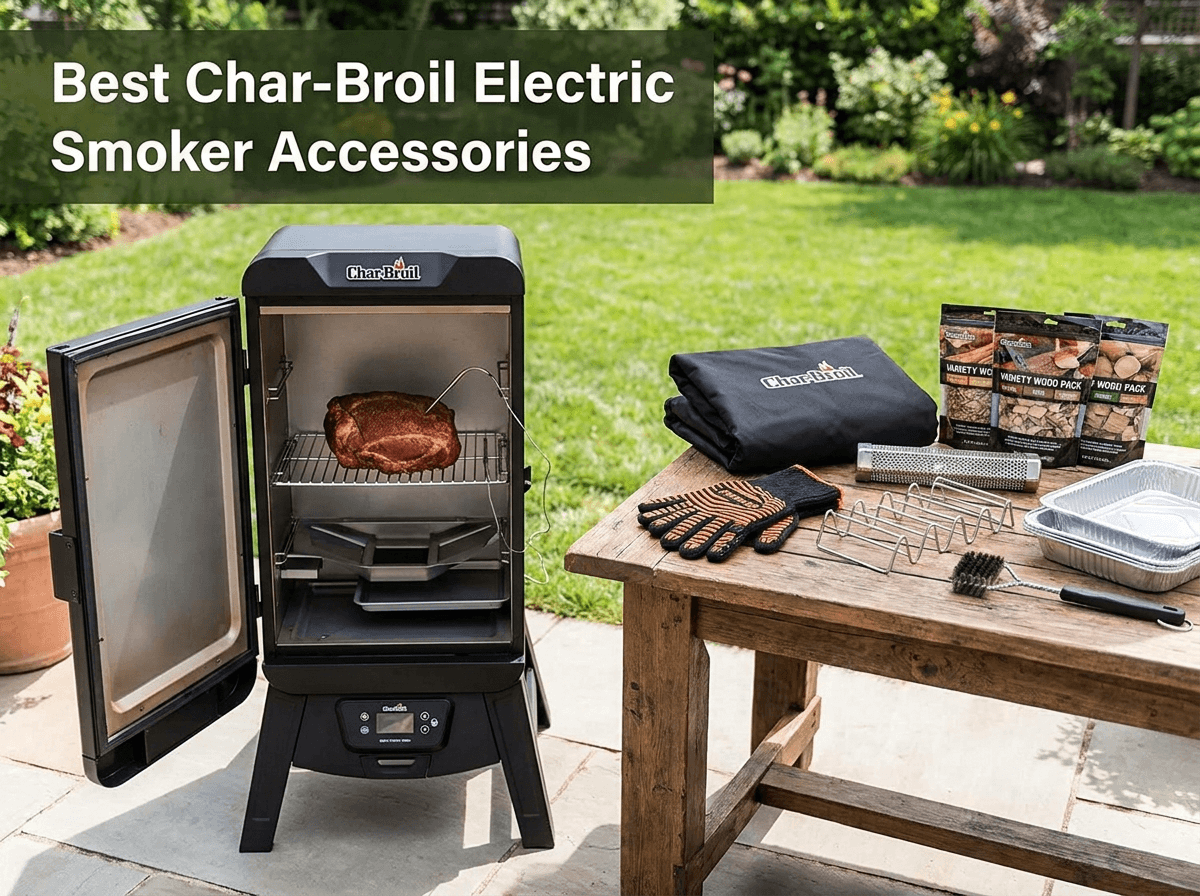
A Char-Broil electric smoker is one of the easiest ways to get started with low-and-slow cooking. You set the temperature, add wood, and let the heating element do the work. But the stock setup has limits, and the best Char-Broil electric smoker accessories close those gaps for a fraction of the cost of a new smoker.
This guide covers the nine add-ons that make the biggest difference: better temperature tracking, more smoke flavor, easier cleanup, and longer smoker life. I’ll tell you who each one is for, what to look for, and what to skip. Whether you own an analog or digital model, you’ll find the best accessories for your Char-Broil electric smoker below.
One note first. Char-Broil sells several electric smoker models, and sizes and fittings differ. Always check your model’s manual and the accessory’s listed dimensions before you buy.
Quick Answer: The Best Char-Broil Electric Smoker Accessories
The best Char-Broil electric smoker accessories are a fit-specific cover (top protection pick), a wireless leave-in thermometer (top performance pick), and a pellet smoke tube (best budget flavor upgrade). Add heat-resistant gloves, a cleaning brush, and extra racks as your cooks get bigger.
Comparison Table: Best Char-Broil Electric Smoker Accessories at a Glance
Prices are rough ranges and change often. current prices before publishing.
| Accessory | Key Spec to Check | Best For | Price Range |
| Fit-specific smoker cover | Model-matched dimensions, water-resistant fabric | Everyone, especially outdoor storage | $ to $$ |
| Wireless leave-in thermometer | Dual probes, 2+ probe ports, range | Brisket, pork butt, turkey | to$ |
| Instant-read thermometer | Read speed, accuracy rating | Final checks and food safety | to$ |
| Pellet smoke tube | Burn time, stainless mesh | Adding smoke flavor | $ |
| Wood chips and chunks variety pack | Dry, uniform size | Flavor experiments | $ |
| Extra racks / rib rack | Fit inside your model | Ribs, jerky, bigger batches | $ to $$ |
| Heat-resistant gloves | Heat rating, grip, length | Moving hot food safely | $ to $$ |
| Water pan and drip pan liners | Size match to pan | Easier cleanup | $ |
| Cleaning brush and scraper kit | Non-scratch bristles | Regular maintenance | $ |
1. Fit-Specific Smoker Cover: Best Protection Pick
Who it’s for: Anyone who stores their smoker outside, which is most of us.
An electric smoker is a cabinet full of wiring, a control panel, and a heating element. Rain, dust, and sun can wear all of it down. A good cover is the cheapest way to keep your smoker in working shape for years.
Key features:
- Cut to fit your exact model, so wind can’t pull it loose
- Water-resistant, UV-resistant fabric
- Vents to let moisture escape
- Straps or drawcords at the hem
Pros:
- Protects the control panel and door seals
- Keeps spiders and debris out of the vents
- Cheap compared with repairing or replacing a smoker
Cons:
- Generic covers often fit poorly
- Cheap vinyl can trap moisture and cause rust
Buying tip: Match the cover to your exact model name and dimensions. Char-Broil sells covers for its own smokers, but confirm fit against your model number . If you’d like to compare options for other cookers, see our guide to the best heavy-duty grill covers.
Common Mistake: Putting the cover on while the smoker is still warm. Trapped heat and steam breed condensation and can melt cheap fabric. Wait until the cabinet is completely cool.
2. Wireless Leave-In Thermometer: Best Performance Pick
Who it’s for: Anyone cooking long cuts like pork butt, brisket, or a whole turkey.
The built-in thermometer on many electric smokers reads air temperature near the sensor, not at the food. It can drift from what the cooking chamber is really doing. A leave-in probe thermometer tracks the meat itself, and a second probe can track the chamber at grate level.
Key features:
- Two or more probes (one for food, one for ambient)
- Bluetooth or Wi-Fi alerts on your phone
- Probe cables rated for smoker heat
- Long battery life
Pros:
- Lets you walk away without constant door-opening
- Alerts you when the food hits your target temperature
- Shows the “stall” clearly so you don’t panic
Cons:
- Wireless range drops through metal cabinets [VERIFY with the product]
- Cheap probes can read inaccurately
Pitmaster Tip: Place the ambient probe on the grate next to the food, not touching the wall. The wall reads hotter than the air your meat actually sits in.
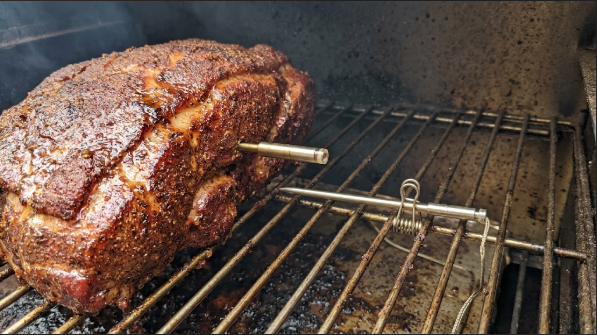
Open the door less. Every time you do, the chamber loses heat and the smoker takes a while to recover. Probe cables let you monitor everything from your phone instead.
3. Instant-Read Thermometer: Best for Final Checks and Safety
Who it’s for: Everyone. This is not optional.
A leave-in probe tells you the trend. An instant-read thermometer confirms the final number in a second or two, in several spots. You need both.
Food safety matters here. Poultry should reach 165°F (74°C), according to the USDA’s safe minimum internal temperature chart. Whole cuts of beef, pork, and lamb need 145°F (63°C) with a three-minute rest, and ground meats need 160°F (71°C)].
Key features:
- Fast read time (a few seconds)
- Thin probe tip that doesn’t leave big holes
- Backlit display for evening cooks
- Splash-resistant body
Pros:
- Checks multiple spots for even doneness
- Confirms your leave-in probe is accurate
- Useful beyond smoking, in the kitchen too
Cons:
- Fast models cost more
- Needs a battery check before big cook days
Pitmaster Tip: For tenderness, many cooks pull pork butt around 195-205°F (91-96°C) and brisket around 200-205°F (93-96°C). Those are quality targets, not safety minimums. Go by probe feel: it should slide in with little resistance, like pushing into soft butter.
4. Pellet Smoke Tube: Best Budget Flavor Upgrade
Who it’s for: Anyone who wants more smoke from an electric smoker.
Electric smokers are known for mild smoke. The heating element is steady, and the wood chip tray can smolder out fast. A pellet smoke tube is a perforated stainless steel tube you fill with wood pellets, light at one end, and set inside the smoker. It burns slowly and puts out clean smoke for hours.
Key features:
- Stainless steel mesh or tube construction
- Burn time often rated at several hours per fill
- Compatible with food-grade hardwood pellets
- Fits on a rack without tipping
Pros:
- Adds steady smoke without constant chip refills
- Inexpensive and easy to reuse
- Works with many wood flavors
Cons:
- Needs airflow to stay lit; some enclosed cabinets starve it
- Needs a lighter or torch to start
- Check that it fits your model’s door and rack layout
Common Mistake: Overloading the tube and choking it. Fill it, but don’t pack it so tight that air can’t move. If it goes out, you’ll get stale, bitter flavor from smoldering instead of clean smoke.

Aim for thin blue smoke, which is nearly invisible. Thick white smoke tastes harsh and bitter. If your smoker looks like a chimney fire, cut back the fuel or open the vent a bit.
5. Wood Chips and Chunks Variety Pack: Best for Flavor Experiments
Who it’s for: Beginners learning which woods they like.
Your smoker came with a way to burn wood chips. What it didn’t come with is a plan for which wood to use. A variety pack lets you test.
Flavor guide:
- Hickory: Strong, classic BBQ. Good on pork and ribs.
- Apple: Mild and slightly sweet. Good with poultry and pork.
- Cherry: Sweet and fruity, and it adds a reddish color to the meat.
- Pecan: Rich and nutty, a good all-rounder.
- Mesquite: Very strong. Use sparingly and with beef.
Pros:
- Cheap way to learn what you like
- Small bags stay fresh
- Lots of flavor options
Cons:
- Wet or damp chips smolder badly
- Packs vary in chip size, which affects burn time
Buying tip: Buy dry, uniform chips with no bark dust. Fine sawdust burns too fast and doesn’t build lasting smoke.
Do you need to soak chips? Most experienced cooks skip it. Wet chips steam before they smolder, which delays smoke and can lower chamber temperature. Dry chips in a ventilated box or tube give a cleaner burn.
If you’re planning a holiday cook, our Thanksgiving smoker recipes pair well with apple or pecan wood.
6. Extra Racks and a Rib Rack: Best for CapacityWho it’s for: Anyone cooking ribs, jerky, sausages, or feeding a crowd.
Once you start cooking more than a single pork butt, space gets tight. A rib rack stands slabs on edge so you can fit several in the same footprint. Jerky racks and extra grates let you stack more food on additional levels.
Key features:
- Stainless steel or chrome-plated construction
- Measured to fit your model’s interior
- Easy to remove and clean
- Stable footing on the rack rails
Pros:
- More food per cook means more leftovers and fewer repeats
- Standing racks improve airflow around the meat
- Reusable and dishwasher-friendly on some models
Cons:
- Too much food blocks airflow and slows the cook
- Wrong sizes simply won’t fit
Buying tip: Measure your interior width, depth, and rack spacing before ordering. Then check the accessory’s listed dimensions twice.

If ribs are your main target, our rib guide for pellet grills covers timing and doneness cues that translate well to an electric cabinet.
7. Heat-Resistant Gloves: Best for Safe Handling
Who it’s for: Anyone moving hot grates, trays, and wrapped meat.
A smoker holds food at 225-275°F (107-135°C) for hours. Bare hands and cheap oven mitts aren’t enough, especially when you’re lifting a hot water pan or a pan full of drippings.
Key features:
- Rated for high heat (check the product’s stated limit)
- Long cuffs that cover the wrist and forearm
- Textured grip that works on wet or greasy surfaces
- Machine-washable or wipe-clean material
Pros:
- Lets you grab a hot pan with confidence
- Often waterproof on the outside, which helps with hot juices
- Doubles as a grilling and oven accessory
Cons:
- Thick gloves reduce dexterity
- Some models need an additional liner for the highest heat
Pitmaster Tip: Keep a pair of nitrile gloves under your heat-resistant gloves when pulling pork. Your hands stay clean, and the outer pair handles the heat.
8. Water Pan and Drip Pan Liners: Best for Easy Cleanup
Who it’s for: Anyone who doesn’t want to scrape baked-on grease every weekend.
Smoker cleaning is the chore that kills motivation. Disposable liners or small aluminum pans catch drippings so you toss them instead of scrubbing.
Key features:
- Sized to fit your water pan or drip tray
- Heavy-duty foil or disposable aluminum construction
- Rolled edges that won’t spill when lifted
Pros:
- Saves time and effort
- Cuts down on grease buildup and flare-up risk
- Helps with a more hygienic cooking space
Cons:
- Single-use, so a small ongoing cost
- Poor fits slide around or let grease pass underneath
Do you need a water pan? Many electric smoker designs include a water bowl to add humidity and steady the temperature. It helps keep meat moist and can soften smoke flavor. Check your manual, and fill it with warm water to limit temperature dips.
Common Mistake: Letting the pan run dry on a long cook. Check the water level on long jobs like brisket, and add warm water through the door only as needed.
9. Cleaning Brush and Scraper Kit: Best for Maintenance
Who it’s for: Everyone who wants the smoker to last.
Grease and ash cause off-flavors, smoke bitterness, and uneven heat. A dedicated brush and scraper makes quick work of racks, walls, and drip trays.
Key features:
- Non-scratch bristles (check the label for stainless-safe use)
- Scraper with a flat edge for baked-on residue
- Long handle to reach corners
- Replaceable heads
Pros:
- Keeps flavor clean and smoke consistent
- Prevents buildup that can become a fire hazard
- Cheap and long-lasting
Cons:
- Wire-bristle brushes can shed bristles that end up in food; inspect the grates before cooking, or choose a bristle-free tool
- Needs regular use to be worth it
Pair your cleaning tools with a sharp set of kitchen blades for trimming and slicing. Our guide to knives for cutting meat is a good place to start.
How to Choose the Best Char-Broil Electric Smoker Accessories
Use this checklist before you add anything to your cart.
- Confirm your model. Char-Broil has more than one electric smoker line, and dimensions vary. Find your model number on the back or in the manual.
- Measure the cabinet. Check interior width, depth, rack spacing, and door opening.
- Check material and heat rating. Look for stainless steel, high-heat fabrics, and food-safe materials.
- Match the accessory to your goal. Want more smoke? Get a tube. Want better control? Get probes. Want longevity? Get a cover.
- Watch the electrical setup. Use an outdoor-rated extension cord sized for your smoker’s power draw, and keep plugs off wet ground. Follow your manual’s guidance.
- Read recent reviews. Look for people who own the same model as you.
- Start small. A thermometer, a cover, and a smoke tube cover most beginners’ needs.
If you’re still deciding on the smoker itself, our roundups of the best affordable offset smokers and best pellet grills for beginners show alternatives at different price points.
How We Picked These Accessories
We ranked each accessory by what it improves for the average Char-Broil electric smoker owner. Our criteria:
- Fit and compatibility: Does it work with common Char-Broil electric smoker sizes?
- Impact on results: Does it improve temperature control, smoke quality, safety, or cleanup?
- Durability: Is it made from materials that handle heat and weather?
- Value: Is the benefit worth the cost for a home cook?
- Safety: Does it support safe food handling and safe operation?
We haven’t claimed lab testing or side-by-side performance data here. Specs, prices, and model compatibility are marked where you should confirm details with the manufacturer’s manual or product page before buying.
Care and Maintenance Tips for Your Smoker and Accessories
A little routine care saves money and keeps your smoke tasting clean.
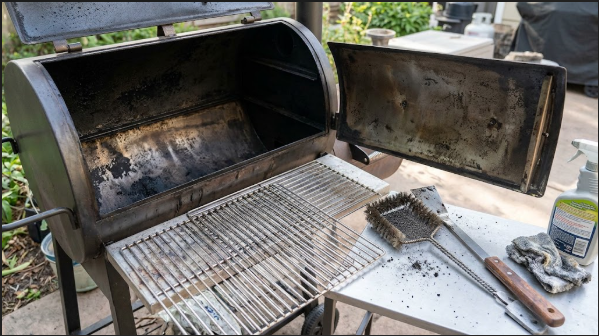
- After each cook: Let the smoker cool, remove the racks, and wipe grease from walls and trays. Dispose of liners.
- Every few cooks: Scrape the racks and brush out ash from the chip box.
- Monthly during heavy use: Check the power cord for damage, inspect the door seal, and tighten loose hardware.
- Before long storage: Clean out grease, dry the interior, and cover the smoker once it’s cool.
- Thermometers: Check accuracy occasionally with an ice-water test. A properly calibrated thermometer should read close to 32°F (0°C) in a slurry of ice and water.
- Smoke tubes and chip boxes: Knock out ash, let them cool fully, and store them dry.
Safety note: Keep the smoker on a level, non-flammable surface away from walls, railings, and overhangs. Never use an electric smoker in the rain or on wet ground unless the manufacturer says it’s safe.
FAQ
What accessories do I need for a Char-Broil electric smoker?
Start with a leave-in probe thermometer, an instant-read thermometer, and a fit-specific cover. Add a pellet smoke tube for more flavor and gloves for safe handling. These cover temperature control, food safety, protection, and smoke quality for most beginners.
Can I use a smoke tube in a Char-Broil electric smoker?
Often yes, if it fits your model’s rack layout and has enough airflow to stay lit. Place it on a rack away from the heating element and keep vents open. Confirm fit and safety in your manual before using it.
Do Char-Broil electric smokers need a cover?
They don’t strictly require one, but a cover is strongly recommended if the smoker sits outdoors. It protects the control panel, wiring, and finish from rain, dust, and sun. Always let the smoker cool completely before covering it.
What wood chips work best in an electric smoker?
Hickory, apple, cherry, and pecan are reliable beginner choices. Apple and cherry are mild and suit poultry, while hickory and pecan bring stronger flavor to pork and beef. Use dry, uniform chips for the cleanest smoke.
Can I add a wireless thermometer to an electric smoker?
Yes. Most wireless probe thermometers work with any smoker. Run the probe cable through the door gap or a port, avoid pinching the cable, and clip the ambient probe near the food. Signal range may drop through metal cabinets.
How do I get more smoke flavor from an electric smoker?
Use dry hardwood chips or a pellet smoke tube, keep the vents open for airflow, and start smoking early in the cook when meat takes smoke best. Aim for thin blue smoke. Thick white smoke makes food taste bitter.
Conclusion
The best Char-Broil electric smoker accessories don’t need to be fancy or expensive. A fit-specific cover protects your investment, probe thermometers give you control, a smoke tube boosts flavor, and a few simple tools make cooking safer and cleanup faster.
Start with a thermometer and a cover, then add accessories as your cooks get bigger. Always confirm fit with your model’s manual and mark any spec or price you aren’t sure about before you buy. Pick the best Char-Broil electric smoker accessories for the foods you cook most, and your next batch will taste better and go smoother.
Laura Smith

I'm Laura, I like all the kind of delicious grilled foods which makes me hungry all the time I see them. That's why I built this blog to share with you all of my Grilling experiences, recipes, and all the tips about foods that I've learned from food experts.