
A good sugar cookie recipe should do three things. It should taste buttery, bake up soft in the middle, and keep sharp edges when you use a cookie cutter. Many recipes get one or two of those right and miss the third.
This sugar cookie recipe is built for the cook who wants dependable results. It makes about 24 cookies, needs only pantry staples, and gives you a soft bite with lightly golden edges. I’ll walk you through the exact temperatures, chill times, and visual cues so you know what to look for at every step.
You don’t need a stand mixer, fancy tools, or any decorating skill to make these.
Quick Answer: Sugar Cookie Recipe at a Glance
Bake cut-out sugar cookies at 350°F (177°C) for 8 to 11 minutes. Chill the dough for at least 1 hour, roll it 1/4 inch (6 mm) thick, and pull the cookies when the edges barely turn golden. Total time is about 2 hours 15 minutes, including chilling and cooling.
Why This Sugar Cookie Recipe Works
Most failed cookies come down to butter temperature, too much flour, or an oven that’s running hot. This recipe deals with all three.
- Cool, room-temperature butter. Butter should be soft but still cool, around 65°F (18°C). If it’s greasy or shiny, the cookies will spread.
- A measured amount of flour. Weighing flour beats scooping it, because a packed cup can hold 20% more than you need.
- Baking powder, not baking soda. A small amount gives a gentle lift without puffing the shapes out of form.
- A real chill. Cold dough keeps its edges in the oven.
- Pulling the cookies early. They finish setting on the hot pan, which keeps the centers soft.
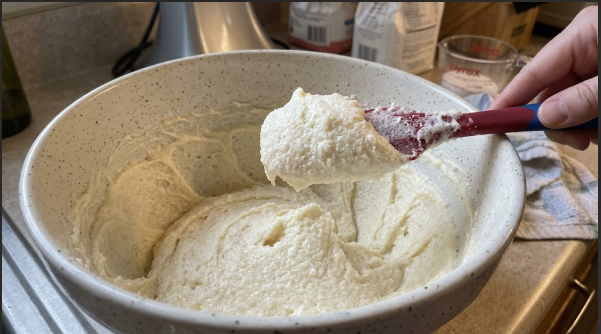
Ingredients and Equipment
Ingredients (makes about 24 cookies, 3-inch cutters)
- 1 cup (227 g, 1/2 lb or 0.23 kg) unsalted butter, softened but still cool
- 3/4 cup (150 g) granulated sugar
- 1 large egg, at room temperature
- 2 teaspoons vanilla extract
- 1/4 teaspoon almond extract (optional, but it gives that bakery flavor)
- 2 3/4 cups (344 g) all-purpose flour, plus extra for rolling
- 1/2 teaspoon baking powder
- 1/2 teaspoon fine salt
Equipment
- Stand mixer or hand mixer (a wooden spoon works with more effort)
- Two heavy rimmed baking sheets
- Parchment paper or silicone mats
- Rolling pin
- Cookie cutters
- Wire cooling rack
- Kitchen scale (strongly recommended)
- Oven thermometer
Easy Substitutions
- No almond extract? Use an extra 1/2 teaspoon of vanilla.
- Salted butter only? Use it and cut the added salt to 1/4 teaspoon.
- Need a dairy-free version? Use a stick-style plant butter and check that it’s firm like real butter. Tub spreads make dough that’s too soft.
- Want a hint of citrus? Add 1 teaspoon of fresh lemon or orange zest.
I don’t recommend swapping in a gluten-free flour blend without testing, since results vary by brand.
Prepping Your Kitchen and Dough
Take the butter and egg out about 30 to 45 minutes before you start. Butter that has been on the counter too long will make the cookies spread and turn greasy.
Preheat the oven to 350°F (177°C) while you roll the dough, not while you mix it. An oven thermometer is worth the few dollars, because many home ovens run 15 to 25°F (8 to 14°C) off.
Line two baking sheets with parchment. Don’t grease the pans, since extra fat makes the edges spread.
Pitmaster Tip: Use the same pan temperature for every batch. Putting dough on a hot pan starts the butter melting before the cookie hits the oven. Let the sheet cool for 5 minutes, or rotate between two pans.
Step-by-Step Sugar Cookie Instructions
Step 1: Whisk the Dry Ingredients
In a medium bowl, whisk the flour, baking powder, and salt for 30 seconds. This spreads the leavening evenly and prevents pockets of salt.
Step 2: Cream the Butter and Sugar
In a large bowl, beat the butter and sugar on medium speed for 2 to 3 minutes. The mixture should look pale and fluffy, and it should hold a little air. Scrape the bowl once halfway.
Don’t cream it for much longer than that. Over-creaming adds too much air, which makes cookies puff and then collapse.
Step 3: Add the Egg and Flavorings
Add the egg, vanilla, and almond extract. Mix on low just until combined, about 30 seconds. The batter might look a little curdled, which is fine.
Step 4: Mix in the Flour
Add the dry ingredients in two batches on the lowest speed. Stop when you no longer see dry streaks. The dough should look soft and slightly crumbly, then come together when pressed.
Overmixing makes tough cookies. Finish by hand if needed.
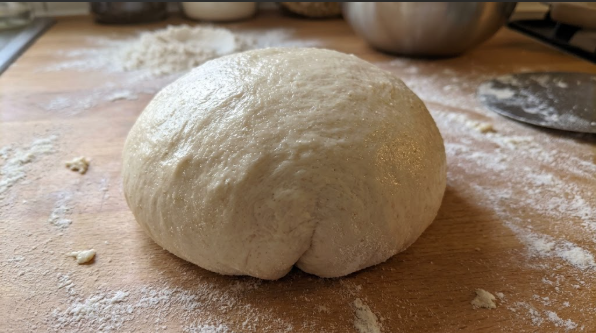
Step 5: Divide and Chill
Divide the dough in half and shape each portion into a flat disk about 1 inch (2.5 cm) thick. Wrap in plastic and refrigerate for at least 1 hour, or up to 2 days.
If you’re in a hurry, press the dough into a thin layer between sheets of parchment and chill for 20 to 30 minutes. The thinner layer chills much faster.
Step 6: Roll the Dough
Let the chilled disk sit for 5 minutes if it’s rock hard. Lightly flour a surface and roll the dough to 1/4 inch (6 mm) thick. For a softer, thicker cookie, go up to 3/8 inch (9 mm), and add 1 to 2 minutes to the bake time.
Rolling between two sheets of parchment means you won’t need extra flour, which keeps cookies tender.
Step 7: Cut and Transfer
Dip the cutter in flour, press straight down, and lift. Move the shapes to the baking sheet with a thin spatula, leaving about 1 inch (2.5 cm) between them.
Re-roll scraps once, and only once. A third roll toughens the dough.
Step 8: Freeze the Cut Shapes (Optional but Helpful)
Put the pan in the freezer for 10 minutes before baking. This is the best trick for sharp edges, especially with detailed cutters.
Step 9: Bake
Bake one sheet at a time on the center rack at 350°F (177°C) for 8 to 11 minutes. The cookies are ready when the edges look set and just barely golden, while the tops stay pale and matte.
Let them rest on the pan for 5 minutes, then move them to a wire rack. Cool fully before decorating, about 30 minutes.
Common Mistake: Baking until the whole cookie looks golden. By the time the center browns, the cookie is already crisp. Pull them when they look slightly underdone.
Time and Temperature Table
| Step | Temperature | Time | What to Look For |
| Soften butter | Room temp, about 65°F (18°C) | 30-45 min | Gives slightly when pressed, not shiny |
| Cream butter and sugar | n/a | 2-3 min | Pale, fluffy |
| Chill dough | Fridge, 40°F (4°C) or below | 1 hour to 2 days | Firm but rollable |
| Freeze cut shapes | Freezer, 0°F (-18°C) | 10 min | Edges firm |
| Bake, 1/4 inch thick | 350°F (177°C) | 8-11 min | Edges just golden |
| Bake, 3/8 inch thick | 350°F (177°C) | 10-13 min | Edges set, top pale |
| Cool on pan | Room temp | 5 min | Cookies firm up |
| Cool on rack | Room temp | 30 min | Fully cool for icing |
How to Tell When Sugar Cookies Are Done
Color is your best clue. You want a faint tan ring around the edge and a surface that looks dry but not browned. If you press the center gently, it should feel soft but not wet.
Bottoms should be pale gold. If the bottoms are dark brown, your pan is too thin or your rack is too low. Move the sheet up one position next time.
Remember that cookies keep cooking on the hot pan. A cookie that looks perfect in the oven will be overbaked by the time it cools.
Cooling, Decorating, and Serving
Cool the cookies completely before you decorate. Warm cookies melt icing and make colors bleed.
Simple Vanilla Glaze
Whisk 1 cup (120 g) of powdered sugar with 1 to 2 tablespoons of milk and 1/2 teaspoon of vanilla. The glaze should drizzle slowly off a spoon. Dip the tops and let them set for about 30 minutes.
Easy Buttercream
Beat 1/2 cup (113 g) softened butter with 2 cups (240 g) powdered sugar, 1 teaspoon vanilla, and 1 to 2 tablespoons of milk until smooth. Spread it on thick and add sprinkles right away.
Royal Icing
Royal icing is the classic choice for detailed designs. It dries hard, so cookies stack and ship well. Be careful with recipes that use raw egg whites. Food safety guidance recommends meringue powder or pasteurized egg whites for uncooked icing, and I’d stick with meringue powder for simplicity.
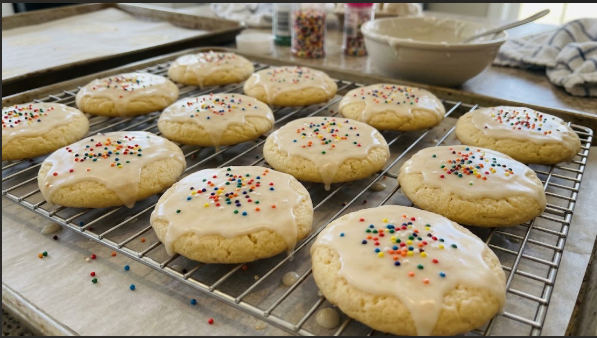
What to Serve With Sugar Cookies
Sugar cookies are mild and buttery, so they pair well with bolder flavors. Try them with:
- A mug of coffee or hot cocoa
- Cold milk (the classic)
- Fresh berries and whipped cream
- A scoop of vanilla or strawberry ice cream
- A cookie platter next to a pecan pie or other desserts
If you’re planning a full dessert spread, our easy dessert recipes are a good place to pull ideas from. For a cookout, this pecan pie for BBQ is another crowd favorite. If you’d rather have a chewier cookie, try the chocolate chip cookie recipe.
Storing, Freezing, and Reheating Sugar Cookies
Storing Baked Cookies
Store undecorated cookies in an airtight container at room temperature for up to 5 days. Add a slice of bread to the container to keep them soft. For cookies with buttercream or cream cheese frosting, refrigerate them.
For anything made with dairy-based frosting, follow USDA guidance on perishable foods don’t leave them out for more than 2 hours (1 hour if it’s above 90°F, or 32°C, outside).
Freezing Dough
Wrap each disk tightly in plastic, then place in a freezer bag. Freeze for up to 3 months. Thaw it overnight in the fridge before rolling. The USDA notes that freezing keeps food safe indefinitely , though quality drops over time, so I use the 3-month window for flavor.
Freezing Baked Cookies
Freeze undecorated cookies in a single layer on a tray for 1 hour, then transfer to a freezer container with parchment between layers. They keep well for about 2 to 3 months. Thaw at room temperature for 30 to 45 minutes, then decorate.
Refreshing Day-Old Cookies
A cookie that has gone a little stiff can be revived. Warm it in a 300°F (149°C) oven for 3 to 4 minutes, or microwave it for 5 to 8 seconds beside a cup of water.
Variations
Oven Variations
- Convection oven: Lower the temperature to 325°F (163°C) and check 2 minutes early. Rotate the pan halfway through.
- Toaster oven: Bake small batches at 350°F (177°C) and watch closely, since the heating elements sit close to the cookies.
- Dark baking sheets: Reduce the temperature by 25°F (14°C) or use a light-colored pan, because dark metal browns the bottoms faster.
Flavor Variations
- Lemon: Add 1 tablespoon of zest and swap the almond extract for lemon extract.
- Brown butter: Brown the butter, cool it back to a soft solid in the fridge, and then proceed. This gives a toasty, nutty flavor.
- Almond: Use 1/2 teaspoon almond extract and skip the vanilla.
- Chocolate: Replace 1/4 cup (30 g) of the flour with unsweetened cocoa powder.
- Peppermint: Add 1/2 teaspoon peppermint extract and top with crushed candy canes.
Drop Cookie Version (No Rolling)
Skip the cutters. Scoop 2-tablespoon portions of dough, roll them in granulated sugar, and flatten slightly. Bake at 350°F (177°C) for 10 to 12 minutes. This works well when you’re short on time.
Troubleshooting Your Sugar Cookie Recipe
Cookies spread too much. Your butter was too warm, your dough wasn’t chilled, or your pan was hot. Chill the cut shapes in the freezer for 10 minutes and use a cool pan.
Cookies are puffy and cakey. Too much baking powder, too much air from creaming, or too much flour. Measure carefully and mix on lower speed.
Cookies are hard and crunchy. They baked too long or the dough was rolled too thin. Pull them earlier and roll to 1/4 inch (6 mm).
Dough cracks when rolling. The dough is too cold or too dry. Let it sit for 5 to 10 minutes, then knead it briefly. If it’s still crumbly, add 1 teaspoon of milk.
Dough sticks to the counter. Chill it again. Warm dough is sticky, and extra flour will make cookies tough.
Edges brown before centers set. The oven is too hot. Check with an oven thermometer.
Cookies lose their shape. Detailed cutters need extra-cold dough. Freeze the cut cookies before baking.
Recipe Card: Classic Sugar Cookie Recipe
Yield: about 24 cookies (3-inch cutters)
Prep time: 25 minutes
Chill time: 1 hour
Bake time: 8-11 minutes per batch
Total time: about 2 hours 15 minutes, including cooling
Ingredients:
1 cup (227 g) unsalted butter, 3/4 cup (150 g) sugar, 1 egg, 2 tsp vanilla, 1/4 tsp almond extract, 2 3/4 cups (344 g) flour, 1/2 tsp baking powder, 1/2 tsp salt.
Short steps:
- Whisk flour, baking powder, and salt.
- Cream butter and sugar for 2 to 3 minutes.
- Mix in egg and extracts.
- Add flour on low speed until just combined.
- Chill dough for at least 1 hour.
- Roll to 1/4 inch (6 mm), cut, and freeze shapes for 10 minutes.
- Bake at 350°F (177°C) for 8 to 11 minutes.
- Cool 5 minutes on the pan, then fully on a rack.
FAQ About This Sugar Cookie Recipe
Why do my sugar cookies spread?
Spreading usually comes from warm butter, unchilled dough, or a hot baking sheet. Chill the dough, use cool pans, and freeze cut shapes for 10 minutes before baking. Measuring flour by weight also helps, since too little flour makes dough slack and runny.
Do I have to chill sugar cookie dough?
For cut-outs, yes. Chilling firms the butter so shapes hold their edges. If you skip it, use the drop cookie version instead, which needs no rolling and handles softer dough well.
How thick should I roll the dough?
Roll to 1/4 inch (6 mm) for a classic cookie with a soft center and lightly crisp edge. For a thicker, softer cookie, roll to 3/8 inch (9 mm). Keep all cookies on a pan the same thickness so they bake evenly.
How long do you bake sugar cookies?
At 350°F (177°C), plan on 8 to 11 minutes for 1/4 inch cookies. Thicker cookies need 10 to 13 minutes. Pull them when the edges are barely golden, since they continue to set on the hot pan.
How do you keep sugar cookies soft?
Don’t overbake them, and store them in an airtight container as soon as they’re fully cool. A slice of bread in the container helps. Undecorated cookies stay soft for about 5 days at room temperature.
Can you freeze sugar cookie dough?
Yes. Wrap the dough disks tightly and freeze for up to 3 months. Thaw overnight in the refrigerator before rolling. You can also freeze baked, undecorated cookies for 2 to 3 months and decorate them after thawing.
Conclusion
A great sugar cookie recipe doesn’t need tricks. It needs cool butter, measured flour, a good chill, and a short bake. Follow those four rules and your cookies will hold their shape, taste buttery, and stay soft.
Make a batch this weekend and try the freezer trick for sharper edges. Once you’ve got this sugar cookie recipe down, you can switch up the flavors, change the icing, and make it your own for every holiday and cookout.
Laura Smith

I'm Laura, I like all the kind of delicious grilled foods which makes me hungry all the time I see them. That's why I built this blog to share with you all of my Grilling experiences, recipes, and all the tips about foods that I've learned from food experts.