
You’ve spent all afternoon on the ribs. The bark is perfect, the smoke ring is gorgeous, and then you lift the lid on the rice and find a sticky, gummy brick, or worse, crunchy grains at the top and a scorched layer at the bottom. Rice is supposed to be the easy part. With a rice cooker, it can be, once you know the handful of things that actually matter.
This guide shares 6 tips for making perfect rice with a rice cooker, every time, with any type of rice. You’ll get a water ratio chart for white, jasmine, basmati, brown and sushi rice, a simple step-by-step method, the most common mistakes and how to fix them, plus safe storage for leftovers. It’s the rice you’ll want next to pulled pork, teriyaki chicken or a plate of grilled shrimp.
Quick Answer: For perfect rice-cooker rice, measure with the cup that came with your cooker, rinse the rice until the water runs mostly clear, use the right water ratio for your rice (about 1:1.25 for jasmine and 1:1.5 for long-grain white), skip lifting the lid, then let it rest 10–15 minutes before fluffing.

Why a Rice Cooker Makes Better Rice
A rice cooker takes out the two things that ruin stovetop rice: guessing at heat and guessing at time. It brings the water to a boil, and once the rice has absorbed all the free water, the temperature at the bottom of the pot rises above boiling. A sensor notices that change and switches the cooker to “keep warm” automatically.
That means the cooker isn’t using a timer; it’s reacting to the water. So the single most important thing you control is the amount of water you put in, and that’s what most of these tips are about. Advanced “fuzzy logic” or induction cookers go further, adjusting heat and soaking time automatically, but the basics below work with a simple one-switch cooker too.
What You Need
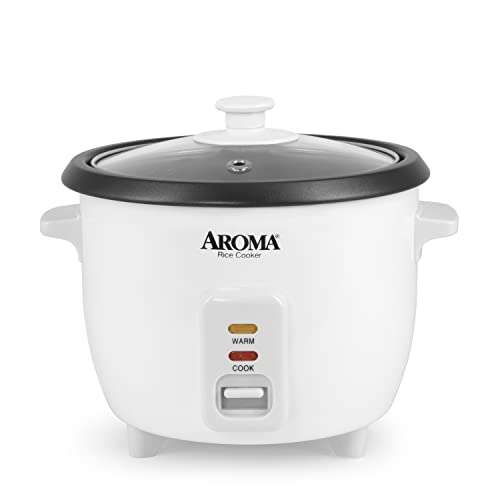
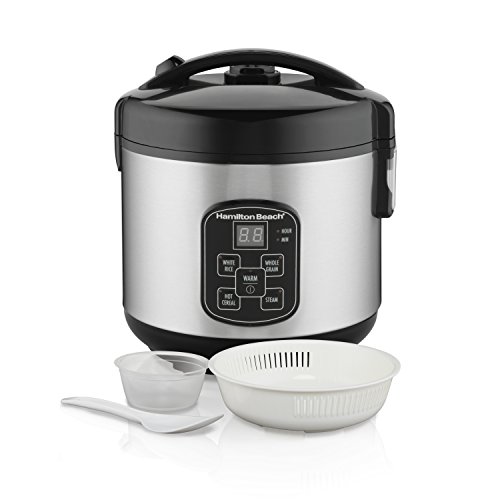
- A rice cooker: a basic one-switch model, a fuzzy-logic model or a multicooker with a rice setting
- The rice cooker’s measuring cup: usually about 180 ml (¾ US cup), not a standard 240 ml (1 cup) measuring cup
- A fine-mesh strainer or bowl for rinsing
- A rice paddle (plastic or wooden) so you don’t scratch the nonstick inner pot
- Rice and cold water; salt, butter or oil are optional
No rice cooker? A heavy pot with a tight lid works as a backup. One of the best stockpots with a thick base gives you more even heat and fewer scorched bottoms.
6 Tips for Making Perfect Rice with a Rice Cooker
Tip 1: Measure With the Right Cup
This is the mistake behind more mushy rice than any other. Most rice cookers come with a plastic cup that holds about 180 ml (¾ US cup), not the 240 ml (1 US cup) in your baking set. The water lines printed inside the pot are designed for that small cup.
Pick one cup and use it for both rice and water. If you fill to the pot’s water lines, measure the rice with the cooker’s cup. If you use your own ratio, any cup works, as long as rice and water use the same one.
Tip 2: Rinse the Rice Until the Water Runs Mostly Clear
Rice grains are coated in loose surface starch. Left on, that starch turns into glue during cooking, which gives you sticky, clumpy rice. Put the rice in a bowl, cover it with cold water, swirl with your hand, pour off the cloudy water and repeat 2–4 times until the water is mostly clear. Drain well in a strainer.
There are exceptions. Skip rinsing for risotto-style dishes where you want creaminess. In the U.S., much white rice is “enriched” with added vitamins sprayed on the surface, and rinsing washes some of them off. Check the package; many say “do not rinse” for that reason. Rinse anyway if you want separate grains and don’t mind losing some of the added nutrients.
[PHOTO: rinsing rice in a bowl, cloudy water on the left and clear water on the right]
Tip 3: Use the Right Water Ratio for Your Rice
Different rice needs different amounts of water. Use this chart as a starting point for rinsed rice, measured with the same cup for rice and water:
| Rice type | Rice : water | Approx. cook time | Texture |
| Long-grain white | 1 : 1.5 | 25–35 minutes | Fluffy, separate |
| Jasmine | 1 : 1.25 | 25–35 minutes | Soft, lightly sticky, fragrant |
| Basmati (soaked 20–30 min) | 1 : 1.5 | 25–35 minutes | Long, dry, separate |
| Short-grain / sushi rice | 1 : 1.1–1.2 | 30–45 minutes | Tender, sticky |
| Brown rice | 1 : 2 | 60–90 minutes | Chewy, nutty |
| Parboiled (converted) | 1 : 2 | 30–40 minutes | Very separate, firm |
Cook times vary a lot by model; fuzzy-logic cookers often take longer because they soak and rest automatically. If your cooker has water lines for a specific rice type, start with those. Then adjust by 1–2 tablespoons (15–30 ml) of water per cup of rice next time: less water for firmer rice, more for softer.
Pitmaster Tip: Treat your ratio like a smoker recipe and keep notes. Write the rice brand, ratio and result on a sticky note inside the cabinet. After two or three batches, you’ll have your house ratio dialed in.
Tip 4: Soak When It Helps
Soaking lets water get into the center of the grain before cooking, so it cooks evenly. Basmati benefits from 20–30 minutes of soaking for long, unbroken grains. Brown rice benefits from 30–60 minutes, which can noticeably improve the texture in a basic cooker. Sushi rice is traditionally rested in its measured water for about 30 minutes.
If you soak, drain the rice and use fresh measured water for cooking; otherwise you’ll throw your ratio off. Fuzzy-logic cookers usually build a soak into their cycle, so you can skip this step with them.
Tip 5: Don’t Lift the Lid; Rest It Before Fluffing
Every time you lift the lid during cooking, steam escapes and the cooker’s sensor can be thrown off, leaving the top layer undercooked. Keep it closed until the cooker clicks to “keep warm.”
Then wait another 10–15 minutes with the lid still closed. During this rest, moisture evens out from the wet bottom to the drier top. Finally, use a rice paddle to gently cut and fold the rice from the bottom up, rather than stirring, which breaks the grains and makes them gummy.
Tip 6: Season Smart and Keep Warm Wisely
Add ½ tsp salt per 2 cups of uncooked rice for better flavor, and 1 tbsp butter or oil if you want extra-separate grains. Add them with the water before cooking. For more flavor, swap some or all of the water for chicken or vegetable broth, keeping the same total amount of liquid.
The keep-warm setting is great for timing a meal, but rice slowly dries out and can develop a crust on the bottom if held too long. Check your manual for the recommended maximum; for best texture, serve within an hour or two of cooking.
Common Mistake: Adding extra water “to be safe” because the rice looked dry last time. Dry rice usually means the lid was lifted, the rice wasn’t rested or the wrong cup was used. Fix those first, then adjust water in small 1–2 tbsp steps.
Step-by-Step: Perfect Rice Cooker Rice
- Measure the rice with the cooker’s cup, for example 2 cups.
- Rinse 2–4 times in cold water until mostly clear, then drain well for 2–3 minutes.
- Add water to the matching line inside the pot, or use the ratio chart (for example 2½ cups water for 2 cups jasmine).
- Season with salt and butter or oil if you like. Wipe the outside of the inner pot dry and level the rice so it’s evenly covered.
- Cook using the white, brown or quick setting that matches your rice. Keep the lid closed.
- Rest 10–15 minutes after it switches to keep-warm.
- Fluff gently with a rice paddle and serve.




Common Rice Cooker Problems and How to Fix Them
| Problem | Likely cause | Fix |
| Mushy, wet rice | Too much water, a US cup with the pot lines, or no rinse | Use the cooker’s cup; rinse; cut water by 1–2 tbsp per cup |
| Hard or crunchy rice | Too little water, lid lifted, or skipped rest | Add 1–2 tbsp water per cup; keep the lid closed; rest 10–15 min |
| Gummy, sticky clumps | Surface starch, or stirred instead of fluffed | Rinse until clear; fold gently with a paddle |
| Scorched or crusty bottom | Held too long on keep-warm, or too little water | Serve within 1–2 hours; check the ratio |
| Boils over or sputters | Pot overfilled, or rice not rinsed | Stay under the max line; rinse; add 1 tsp oil |
| Undercooked brown rice | Not enough water or time | Use 1 : 2 water and the brown rice setting; soak 30–60 min |
How to Store and Reheat Leftover Rice Safely
Cooked rice is a leftover like any other, and it should be handled quickly. The USDA advises refrigerating leftovers within 2 hours of cooking, or within 2 hours of taking them off a keep-warm appliance. Spread the rice in a shallow container so it cools fast.
- Fridge: Use within 3–4 days.
- Freezer: Freeze flat in zip-top bags for 3–4 months for the best quality.
- Reheat: Sprinkle 1–2 tbsp of water per cup of rice, cover, and microwave or steam until it reaches 165°F (74°C) all the way through, per USDA’s guidance for reheating leftovers.
Day-old, chilled rice is also the secret to great fried rice. It’s drier, so the grains crisp up instead of turning mushy.
[PHOTO: cooked rice spread in a shallow glass container to cool before refrigerating]
What to Serve with Rice-Cooker Rice
Perfect rice turns a backyard cook into a full meal. A few favorites:
- Smoked and grilled meats: a scoop of steamed white rice soaks up the sauce from pellet grill ribs, pulled pork or teriyaki chicken thighs.
- Curries and stews: basmati is the classic match for a rich, spiced chicken pathani.
- Sushi night: use short-grain rice seasoned with rice vinegar, sugar and salt for a homemade salmon skin roll. A sharp, thin blade such as one of the best sushi knives slices rolls cleanly without squashing them.
- Comfort food: serve rice under gravy-rich Golden Corral-style pot roast, or as a filling base for stuffed peppers. Here’s what to serve with stuffed peppers to round out the plate.
- Feeding a crowd: a big batch of seasoned rice is one of the cheapest sides you can make, which is a key move when you host a summer BBQ on a budget.
Frequently Asked Questions
How much water do I use for 2 cups of rice in a rice cooker?
For 2 cups of rinsed long-grain white rice, use about 3 cups of water (1 : 1.5). For jasmine, use about 2½ cups (1 : 1.25), and for brown rice about 4 cups (1 : 2). Use the same cup for rice and water, or fill to the cooker’s “2” line using its own cup.
Should you rinse rice before putting it in a rice cooker?
Rinsing removes loose surface starch, which helps keep grains fluffy and separate instead of sticky. Rinse 2–4 times until the water is mostly clear. Many U.S. enriched rices say not to rinse because it washes off added vitamins, so check the package and choose based on the texture you want.
Why is my rice mushy in the rice cooker?
Mushy rice usually means too much water. The most common reason is using a standard 1-cup measure with the pot’s water lines, which are made for the smaller rice cooker cup. Not rinsing and stirring hard after cooking can also make rice gummy. Reduce the water by 1–2 tablespoons per cup.
How long does a rice cooker take to cook rice?
Most rice cookers take about 25–35 minutes for white rice and 60–90 minutes for brown rice. Fuzzy-logic and induction models often take longer because they include soaking and resting stages. Add 10–15 minutes of resting with the lid closed after the cooker switches to keep-warm.
Can you cook brown rice in a regular rice cooker?
Yes. Use about 2 cups of water per cup of brown rice and the brown rice setting if your cooker has one. For better texture in a basic cooker, soak the rice for 30–60 minutes first, drain it, then add fresh measured water and cook.
How long is cooked rice good in the fridge?
Refrigerate cooked rice within 2 hours and use it within 3–4 days, following USDA’s guidance for leftovers. Cool it quickly in a shallow container. When reheating, add a splash of water, cover it and heat until it is steaming hot, 165°F (74°C) all the way through.
Conclusion: Perfect Rice, Every Single Time
Those are the 6 tips for making perfect rice with a rice cooker: measure with the right cup, rinse the starch away, use the right water ratio for your rice, soak when it helps, keep the lid closed and rest before fluffing, and season smart without overusing keep-warm. Get those right and your rice cooker will hand you fluffy, separate grains every time.
So the next time you spend hours on the smoker, give your sides the same care. A bowl of perfect rice is the easiest upgrade you’ll ever make to a backyard dinner.
Laura Smith

I'm Laura, I like all the kind of delicious grilled foods which makes me hungry all the time I see them. That's why I built this blog to share with you all of my Grilling experiences, recipes, and all the tips about foods that I've learned from food experts.