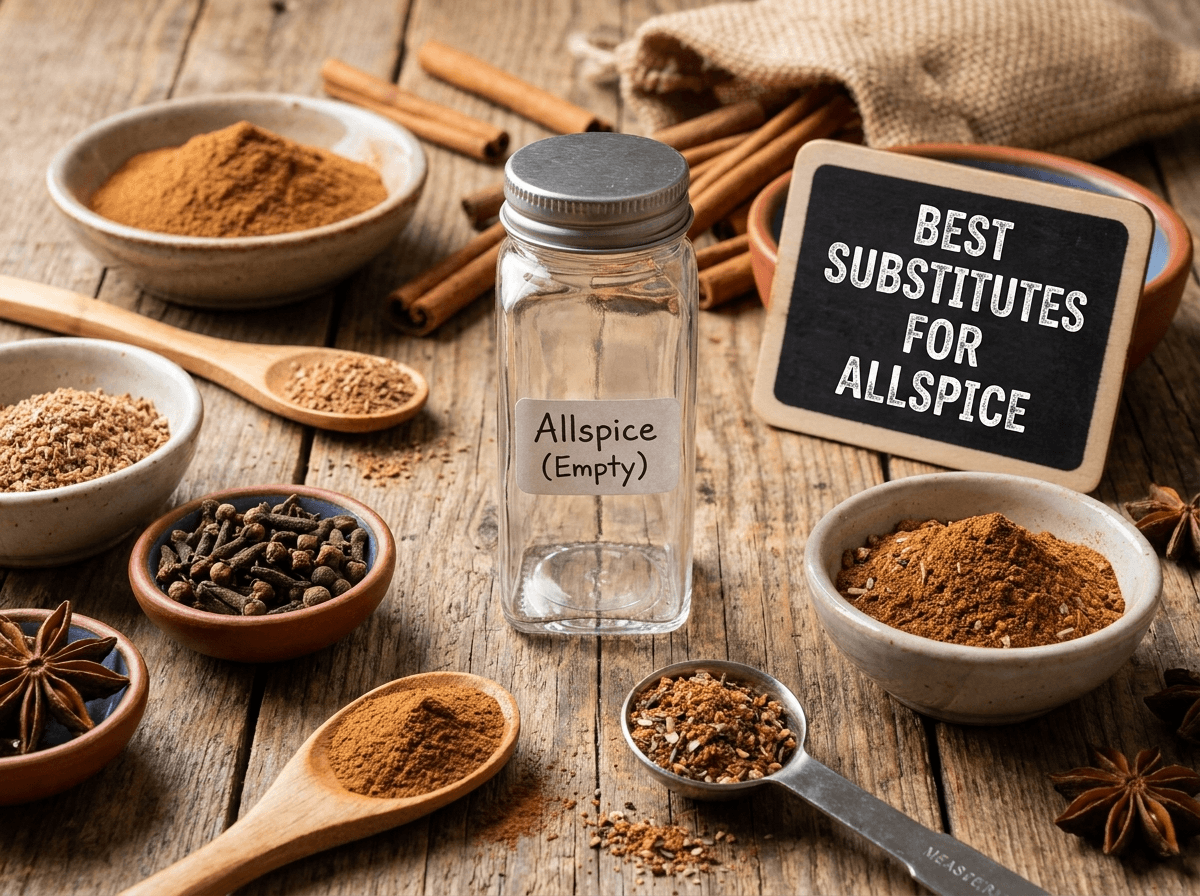
You’re halfway through a recipe, you reach for the allspice, and the jar is empty. Don’t make a store run yet. The best substitutes for allspice are probably already in your spice rack, and most of them take about 30 seconds to mix.
Allspice tastes like a mix of cinnamon, nutmeg, and clove, with a peppery edge. That makes it easy to rebuild from other warm spices. Below you’ll find ten swaps, the exact ratios to use, and which one works best for baking, stews, rubs, and jerk-style cooking on the grill.
Quick Answer: What Are the Best Substitutes for Allspice?
The best substitutes for allspice are a mix of cinnamon, nutmeg, and cloves, or pumpkin pie spice used 1:1. For 1 teaspoon of allspice, mix ½ teaspoon cinnamon, ¼ teaspoon nutmeg, and ⅛ teaspoon cloves. Apple pie spice and mixed spice also work in equal amounts.
What Is Allspice, and Why Is It Hard to Replace?
Allspice is not a blend. It’s a single spice, the dried unripe berry of the Pimenta dioica tree, which is native to the Caribbean and Central America. The name comes from the way it seems to taste like several spices at once.
That “several spices at once” flavor is what you need to recreate. Allspice brings:
- Sweet warmth that resembles cinnamon
- Soft, woody depth that resembles nutmeg
- A sharp, slightly numbing note that resembles cloves
- A faint peppery bite at the finish
You’ll find it in pumpkin pie, spice cake, jerk seasoning, sausages, pickling brines, mulled cider, and pot roasts. Because it works in both sweet and savory food, the right substitute depends on what you’re cooking. A swap that works in a cake can taste odd in a rub, and the other way around.
How to Replace Allspice: The Basic Method
Follow these steps no matter which swap you choose.
- Check the form. Does the recipe want ground allspice or whole berries? Ground swaps are easy. Whole berries need whole spices (see the whole berry section below).
- Decide sweet or savory. Sweet dishes lean on cinnamon and nutmeg. Savory dishes lean on cloves, black pepper, and warm spice blends.
- Start with less. Cloves and five-spice are strong. Use the lower amount first. You can always add more.
- Mix with the other dry ingredients. Whisk the substitute into your flour, rub, or spice mix so it spreads evenly.
- Taste before committing. For sauces, brines, and marinades, taste a spoonful before it touches the meat or batter.
The 10 Best Substitutes for Allspice (With Ratios)
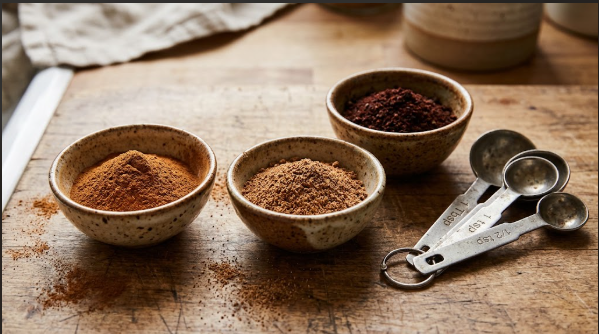
Ratios below replace 1 teaspoon of ground allspice. Treat them as starting points and adjust to taste.
1. Cinnamon, Nutmeg, and Cloves (Best Overall)
This is the closest match. Mix ½ teaspoon ground cinnamon, ¼ teaspoon ground nutmeg, and ⅛ teaspoon ground cloves. The result tastes very close to the real thing because those are the three flavors allspice resembles.
It works in baking, sauces, stews, rubs, and brines. If you only have two of the three, skip to the simpler options below. Make a small batch, stir it well, and you have a one-time replacement that fits almost any recipe.
Best for: Everything. Watch out for: Too much cloves can taste medicinal.
2. Pumpkin Pie Spice (1:1 Swap)
Use 1 teaspoon pumpkin pie spice for 1 teaspoon allspice. Most store blends include cinnamon, ginger, nutmeg, and cloves, though some also include allspice itself. Check the label.
The flavor is slightly gingery, which suits baked goods, pancakes, oatmeal, and pie fillings. It’s less ideal in savory rubs because the ginger and sweetness can overpower the meat.
If you’re baking a holiday dessert, this is the fastest fix. It pairs well with our smoked pecan pie, where a warm-spice backbone adds depth.
Best for: Pies, cakes, cookies. Watch out for: Added ginger.
3. Apple Pie Spice (1:1 Swap)
Apple pie spice is another ready-made blend. It usually mixes cinnamon, nutmeg, and sometimes cardamom or allspice. Use it 1:1 in sweet recipes.
It’s a strong match for fruit desserts, crumbles, and quick breads. Because blends differ, taste your batter or filling before baking.
Best for: Fruit desserts. Watch out for: Cardamom can change the flavor.
4. Mixed Spice or Pudding Spice (1:1 Swap)
Mixed spice is a British blend used in puddings, hot cross buns, and fruit cake. It generally includes cinnamon, nutmeg, cloves, ginger, coriander, and sometimes allspice.Swap 1:1. It gives you a gentle, sweet warmth that works well in baking. You may notice a slightly citrusy note from the coriander.
Best for: Baking and desserts. Watch out for: Availability. It’s less common in some stores.
5. Cinnamon and Black Pepper (Best Simple Savory Swap)
For meats, soups, and stews, mix ½ teaspoon cinnamon and ¼ teaspoon black pepper, plus a tiny pinch of cloves if you have it. The cinnamon brings the sweetness and the pepper copies allspice’s gentle bite.
This blend works especially well in savory dishes where you don’t want an obviously “dessert” flavor. It’s also easy to make from basics every kitchen has.
Best for: Stews, rubs, and braises. Watch out for: Too much pepper makes things hot instead of warm.
6. Ground Cloves (Emergency Swap)
Cloves taste a lot like allspice, but they’re much stronger. Use ¼ teaspoon ground cloves for 1 teaspoon allspice, and no more.
This swap is a last resort because the flavor is narrow. It works in a small amount of ham glaze, marinade, or brine. It doesn’t give the rounded sweet-and-warm taste of the real spice.
Pitmaster Tip: Pair the cloves with a pinch of cinnamon if you can. It rounds out the flavor and hides the sharp edge.
Best for: Savory glazes and brines in a pinch. Watch out for: Overpowering flavor.
7. Ground Nutmeg (Mild Swap)
Use ½ teaspoon nutmeg for 1 teaspoon allspice. Nutmeg is sweet, warm, and slightly woody, so it works well in cream sauces, baked goods, and creamy dishes.
It lacks the clove sharpness, so the result tastes softer. Add a small pinch of black pepper to bring back the bite.
Best for: Creamy sauces, baked goods. Watch out for: A flatter flavor than real allspice.
8. Ground Cinnamon (Easiest Swap)
Use 1 teaspoon cinnamon for 1 teaspoon allspice in sweet dishes. Cinnamon is the base of allspice’s flavor, so the swap is natural in cookies, quick breads, oatmeal, and fruit.
It’s missing the peppery edge and the clove note, so the final taste is simpler. Adding a pinch of black pepper helps in savory recipes.
If a recipe uses very little allspice, like ¼ teaspoon, cinnamon alone is usually enough.
Best for: Simple baking. Watch out for: Bland results in complex dishes.
9. Garam Masala (Savory Swap)
Garam masala is an Indian spice blend that usually includes cumin, coriander, cardamom, cinnamon, cloves, and black pepperUse ½ to 1 teaspoon per 1 teaspoon allspice, starting low.
It works in braises, lentil dishes, curries, and meat marinades. It brings extra earthy notes, so it changes the flavor of the dish. It’s a creative swap, not an exact copy.
If you like warm spices on chicken, try it alongside our chicken pathani recipe for an idea of how layered spice works in a savory dish.
Best for: Curries, braises, marinades. Watch out for: Cumin and coriander change the flavor.
10. Chinese Five-Spice (Use Sparingly)
Five-spice usually contains star anise, cloves, cinnamon, Sichuan pepper, and fennel. Use ¼ to ½ teaspoon per 1 teaspoon allspice.
The anise and fennel flavors are strong, so this is best for pork, duck, and rich braises. Avoid it in desserts unless you like a licorice-like note.
Best for: Pork and rich meats. Watch out for: Licorice-like flavor.
Allspice Substitute Chart: Quick Reference
| Substitute | Ratio per 1 tsp Allspice | Best For | Flavor Match |
| Cinnamon + nutmeg + cloves | ½ tsp + ¼ tsp + ⅛ tsp | Everything | Excellent |
| Pumpkin pie spice | 1 tsp | Baking | Very good |
| Apple pie spice | 1 tsp | Fruit desserts | Good |
| Mixed spice | 1 tsp | Puddings, baking | Good |
| Cinnamon + black pepper | ½ tsp + ¼ tsp | Savory dishes | Good |
| Ground cloves | ¼ tsp | Glazes, brines | Fair |
| Ground nutmeg | ½ tsp | Creamy dishes | Fair |
| Ground cinnamon | 1 tsp | Simple baking | Fair |
| Garam masala | ½-1 tsp | Curries, braises | Different but works |
| Chinese five-spice | ¼-½ tsp | Pork, duck | Different but works |
Best Substitutes for Allspice in Baking
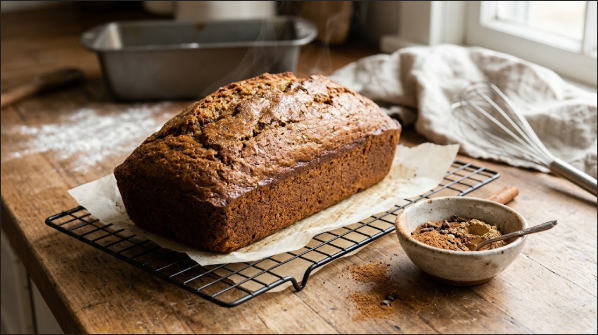
Sweet recipes are the easiest place to swap, because cinnamon, nutmeg, and cloves are already common baking spices. The best picks are the cinnamon-nutmeg-clove blend, pumpkin pie spice, and mixed spice.
Keep these baking details in mind:
- Mix spices into dry ingredients so they don’t clump in the batter.
- Bake at the temperature the recipe calls for. A typical pie or spice cake bakes at around 350°F (175°C), and the spice swap doesn’t change that.
- Taste the raw filling (if it has no raw egg) or smell it before baking. A strong clove smell means you’ve used too much.
If you’re baking and short on other pantry items too, our guide to making cookies without baking soda covers another common swap.
Common Mistake: Swapping in ground cloves at a 1:1 ratio. Cloves are far stronger than allspice. Using a full teaspoon in place of a teaspoon of allspice can make a cake taste bitter and medicinal.
Best Substitutes for Allspice in Savory Dishes, Rubs, and Marinades
Allspice shows up in rubs, sausage, meatloaf, pot roast, and marinades. In these dishes, you want warmth without too much sweetness. The best choices are cinnamon plus black pepper, the cinnamon-nutmeg-clove blend (with less cinnamon), and garam masala.
Here’s how it works in real cooking:
- Pot roast and stews: Use ½ teaspoon of the cinnamon-pepper mix per 1 teaspoon of allspice. It adds depth to the braising liquid. If you’re making a classic pot roast, see our Golden Corral pot roast recipe for a base to season.
- Meatloaf and sausage: Use a pinch of nutmeg plus black pepper. It brings warmth without sweetness. Our list of what goes with meatloaf is handy for planning the rest of the meal.
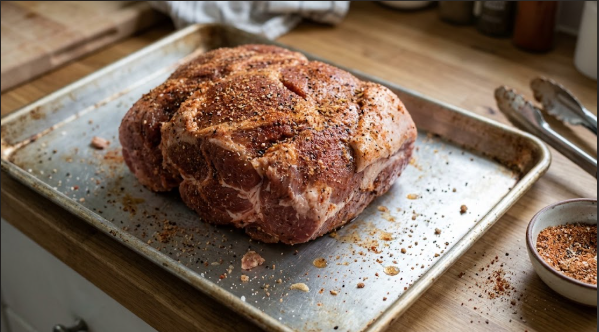
- Dry rubs: Mix the substitute into the rest of the rub before applying. For a 4 lb (1.8 kg) pork shoulder, a rub with 1 teaspoon of the substitute blend is a reasonable starting point.
Pitmaster Tip: Rub the meat the night before. Warm spices need time to settle into the surface, and the flavor tastes rounder after 8-12 hours in the fridge.
Cooking Temperatures for Spiced Meats
Seasoning doesn’t change safe cooking temperatures. Follow the USDA’s safe minimum internal temperatures:
- Poultry: 165°F (74°C)
- Ground meat (meatloaf, sausage patties): 160°F (71°C)
- Whole cuts of pork, beef, and lamb: 145°F (63°C), then rest for three minutesPitmaster pull temps for tenderness are different. A pork shoulder for pulled pork is usually pulled at about 195-205°F (91-96°C). That’s a quality target, not a safety minimum.
Best Substitutes for Allspice in Jerk Seasoning and Grilling
Allspice, called pimento in Jamaica, is a core flavor in jerk seasoning. Most jerk recipes pair it with Scotch bonnet peppers, thyme, garlic, scallions, and brown sugar.
If you’re making jerk chicken or pork and you’re out of allspice, use the cinnamon-nutmeg-clove blend and add a pinch of extra black pepper. The result won’t be identical, but with chili heat, thyme, and garlic around it, the difference is small.
A few grilling notes:
- Chicken pieces: Cook over indirect heat at about 350-400°F (175-205°C) until the thickest part hits 165°F (74°C).
- Sugar burns fast. Many jerk marinades and rubs include sugar. Keep the meat away from direct flame until the end.
- Use a clean, hot grate. It helps the spices form a crust instead of sticking.
If you’re new to getting a grill going, our guide on how to start a grill walks through the basics.
What to Use Instead of Whole Allspice Berries
Whole berries are used in pickling brines, stocks, mulled cider, and long braises, where they soak in liquid and get removed before serving. Ground spice isn’t a perfect swap because it clouds the liquid.
Try these whole-spice swaps instead:
- Whole cloves plus a cinnamon stick: Use 2-3 whole cloves and a small piece of cinnamon stick for every 3-4 allspice berries.
- Black peppercorns plus a clove: Good for savory brines and stock.
- Ground spice in a tea ball or cheesecloth bag: This lets you use ground allspice swaps without clouding the liquid.
As a rough guide, about ¼ teaspoon of ground allspice equals 1 whole berry.
Common Mistake: Dropping loose ground spices straight into a clear liquid like pickling brine or cider. You’ll get a gritty, cloudy result. Use a bag or infuser.
Tips for Getting the Flavor Right
A few small habits will help any allspice swap taste better.
- Toast whole spices briefly. Warm whole cloves or peppercorns in a dry pan for 30-60 seconds before grinding. The flavor gets deeper.
- Grind fresh when you can. Nutmeg grated fresh from a whole seed tastes brighter than pre-ground.
- Measure with level spoons. Heaping spoonfuls of cloves ruin recipes fast.
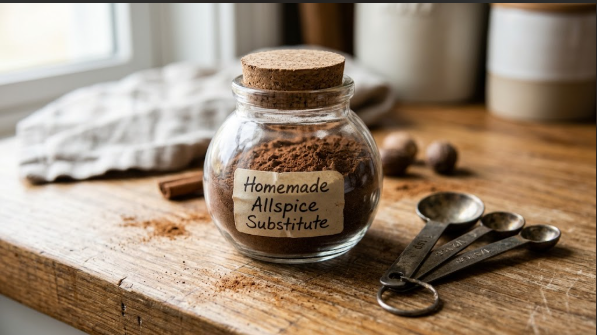
- Make a batch. Mix a small jar of the substitute blend (4 parts cinnamon, 2 parts nutmeg, 1 part cloves) so you can use it any time. [Adjust the ratio to your taste]
- Write the date on the jar. It helps you track how old the spices are.
Storage: Keep ground spices in airtight containers in a cool, dark place. Ground spices lose flavor over time, and many cooks replace them every two to three years.
Safety Notes
Spices themselves are low-risk, but the dishes they flavor still need proper handling.
- Cook meat to safe temperatures. See the USDA temperatures above.
- Keep raw meat separate. Don’t use the same spoon in a spice rub and then back in the shared spice jar. Pour out what you need instead.
- Check labels for allergens. Store-bought blends can contain other ingredients, and cross-contact can happen in manufacturing. If you’re cooking for someone with an allergy, read labels carefully.
- Chill marinated meat. Keep raw meat in the refrigerator while it marinates, not on the counter. See FoodSafety.gov’s safe minimum internal temperature chart for cooking guidance.
Cooking tomato-based sauces and stews at the same time? If you’re short on other pantry basics, check our guides to a substitute for tomato paste and chili paste substitutions.
FAQ
What is a good substitute for allspice?
A mix of cinnamon, nutmeg, and cloves is the closest match. Use ½ teaspoon cinnamon, ¼ teaspoon nutmeg, and ⅛ teaspoon cloves for every 1 teaspoon of allspice. Pumpkin pie spice and mixed spice also work in equal amounts, especially in baking.
Can I use pumpkin pie spice instead of allspice?
Yes. Swap it 1:1 for ground allspice in sweet recipes like pies, cakes, and muffins. Pumpkin pie spice usually contains ginger, so the flavor will be a little brighter. It’s less ideal for savory rubs, where the sweetness and ginger can stand out.
Can I use cloves instead of allspice?
You can, but use much less. Cloves are strong, so use about ¼ teaspoon of ground cloves for each 1 teaspoon of allspice. Adding a pinch of cinnamon helps balance the flavor. Cloves alone taste sharper and less rounded.
What can I use instead of whole allspice berries?
Use a few whole cloves, a small cinnamon stick, and a couple of black peppercorns. Together they copy allspice’s warm, peppery flavor in brines, stocks, and mulled cider. You can also put ground spice in a tea ball or cheesecloth bag to avoid cloudiness.
Is allspice the same as mixed spice?
No. Allspice is one spice, made from dried berries of the Pimenta dioica tree. Mixed spice is a British blend of several spices, usually including cinnamon, nutmeg, and cloves. They taste similar, which is why mixed spice works as a 1:1 swap.
How long does ground allspice last?
Ground allspice stays safe for a long time but loses flavor with age. Many cooks replace ground spices every two to three years. If it smells weak or dusty, it’s time to buy a fresh jar. Whole berries keep their flavor longer.
Conclusion
The best substitutes for allspice are simple: cinnamon, nutmeg, and cloves for the closest flavor, pumpkin pie spice for easy baking, and cinnamon with black pepper for savory dishes. Start with small amounts, taste as you go, and remember that cloves are powerful.
Next time you’re out of allspice, you won’t need to stop cooking. Pick the swap that matches your recipe, mix it into your dry ingredients, and keep going. With the best substitutes for allspice on hand, your pies, pot roasts, and jerk-style rubs will still taste great.
Laura Smith

I'm Laura, I like all the kind of delicious grilled foods which makes me hungry all the time I see them. That's why I built this blog to share with you all of my Grilling experiences, recipes, and all the tips about foods that I've learned from food experts.